Overview
Staging is the practice of arranging a home so that its rooms, light and proportions can be read at a glance. It is general good practice, not a formula, and no one can tell you in advance what it will add to a sale price. What it can do is let the photographs, and then the home itself, show what is already there.
For a well-built or architecturally significant home, staging is usually an act of editing rather than decorating. The house has a point of view. The work is to remove what competes with it.
This page sets out the principles, then a practical sequence for the days before the photographer arrives. If you have not yet worked through the pre-listing preparation checklist, begin there; the Journal note What should I fix before selling my house? covers repairs, and the selling page gives an overview of how Sidney works with sellers.
What to have ready
Ticks are for your own use on this device.
The principles
Let the architecture lead. Fireplaces, windows, built-ins, ceiling details, staircases and views are what buyers remember. Arrange furniture so these are visible, and move anything that blocks them.
Give rooms breathing room. Most lived-in homes hold more furniture than a camera needs. Removing a chair, a side table or a rug can make a room read larger and easier to understand.
Simplify surfaces. Counters, tables and shelves read more clearly with a few deliberate objects rather than many small ones.
Use light. Open blinds and curtains, clean the windows and turn on every lamp. Match bulb color in each room where you can, so the light reads evenly in the photographs.
Edit the personal. Photographs, diplomas, collections of small objects and anything with names or addresses come down. Buyers should be able to picture the home as theirs, and you keep your privacy.
In practice. A useful test: stand in the doorway and ask which single feature the room is about. Then remove anything that does not support it.

A useful test: stand in the doorway and ask which single feature the room is about. Then remove anything that does not support it.
A note on architectural and historic homes
Different periods ask for different handling.
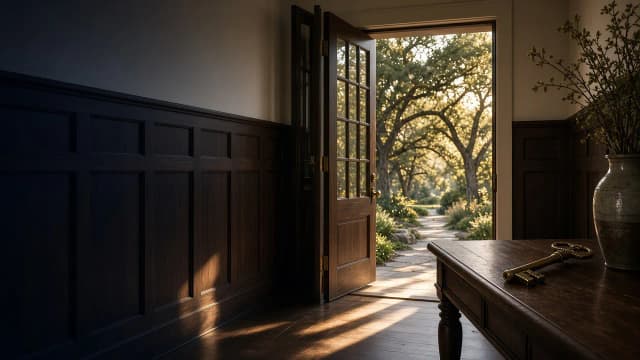
- Craftsman homes. Original wood trim, built-in bookcases, window seats and beamed ceilings carry these interiors. Clean wood with care, keep built-ins edited to a few books or pieces, and avoid furniture that hides paneling or inglenooks.
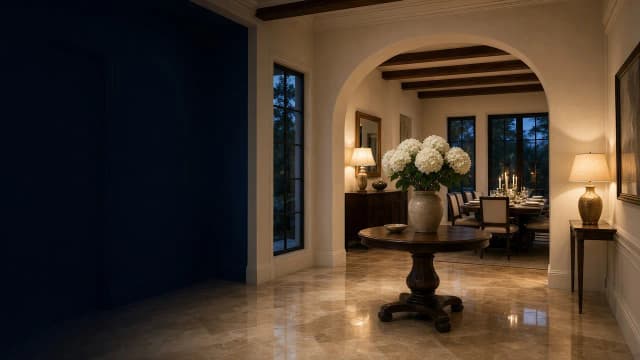
- Spanish Colonial Revival homes. Plaster walls, arched openings, decorative tile, wrought iron and courtyards define the style. Keep plaster clean and lightly furnished so the arches and deep window reveals read clearly, and present courtyards and loggias as rooms in their own right.
- Mid-century homes. Long sightlines, walls of glass, post-and-beam structure and the connection between inside and out are the point. Keep sightlines open, keep window walls clear, and treat the terrace or pool area as part of the main living space.
Whatever the period, resist adding new features that imitate the old. A buyer drawn to an authentic home will notice.
Room by room
Art, collections and personal effects
Art can give a room presence in photographs, but it also draws the eye and can identify the owner.
Decide piece by piece:
- If a work is significant, fragile or identifiable, then consider removing it before photography and showings.
- If a work suits the room and is not identifiable, then it may stay, provided it is secured and your insurance agent is aware the home is being shown.
- If a wall is left bare, then patch and touch up hooks and outlines before the photographer arrives.
Collections, such as ceramics, books or objects on open shelves, are generally reduced to a few deliberate groupings. Personal correspondence, documents, medications and small valuables leave the home or go into locked storage.
Whether to bring in a stager
Some owners use their own furniture, edited; others bring in a professional stager to supplement or replace it. Neither is required. Points to weigh:
- Whether your furniture suits the scale and period of the rooms
- Whether the home will be occupied or vacant during the listing
- How long the staging agreement runs, and what it says about extensions, damage and insurance
- Who arranges and who pays, which is a matter for you and Sidney to settle in writing before work begins
The Journal note How does staging work when selling a house? explains the options in more detail.
Room by room, in the days before the photographs
Entry
Ticks are for your own use on this device.
Living and sitting rooms
Ticks are for your own use on this device.
Dining room
Ticks are for your own use on this device.
Kitchen
Ticks are for your own use on this device.
Bathrooms
Ticks are for your own use on this device.
Bedrooms
Ticks are for your own use on this device.
Outdoor spaces and grounds
Ticks are for your own use on this device.

Planning tool
Room-by-Room Photo-Day Planner
Choose the rooms that will be photographed, work through the guide's list for each, and note the one feature each room is about.
Add the rooms that will be photographed to see each room's list.
A useful test: stand in the doorway and ask which single feature the room is about.
Your photo-day summary
0 of 7 items ready
General staging practice for your own planning. Your photographer and Sidney will confirm the plan for the day.
Your entries stay in this browser on this device. Nothing is sent to us.
Photo day
Planning the photo day
- Light. Ask the photographer which time of day suits each side of the house. Twilight photographs often show landscape lighting and warm interiors well.
- Order. Prepare the rooms in the order they will be photographed, so the household can retreat as the photographer moves through.
- Presence. Plan for you and your household to be out for the session, with pets cared for elsewhere.
- Review. Ask to see the selection before anything is published, and flag any image that shows something private, such as a security panel, an artwork you would rather not show or an identifiable photograph.
Keeping the look through the listing
Buyers expect the home to match its photographs. Agree on a short daily reset routine: a few minutes in each room returning objects to their places, closing lids and turning on lights before each visit. The showings and open houses notes cover daily readiness in more detail.
Questions
Common pitfalls
Decorating instead of editing.
New accessories rarely help as much as removing what is there.
Leaving art decisions until the photo day.
Bare walls and hook holes then appear in the photographs.
Furniture out of scale.
Oversized pieces make rooms read small; tiny pieces make large rooms feel empty.
Mixed bulb colors.
Warm and cool light in the same room looks uneven on camera.
Forgetting the exterior.
The first photograph is usually the front of the house.
Frequently asked questions
Do I need a professional stager?
Not necessarily. Many homes photograph well with the owner's furniture after careful editing. A stager may help when a home is vacant, when rooms are hard to read or when existing furniture does not suit the scale or period of the house. Staging is general practice, not a formula, and no one can promise what it will add to a price. Sidney can walk the home with you and talk through the options.
Should I stage a vacant home?
It is worth considering. Empty rooms can be hard to read in photographs, and buyers may struggle to judge scale. Partial staging of the main rooms is a common middle path. If the home is vacant, also plan regular checks, keep utilities on for showings and inspections, and ask your insurance agent whether coverage changes while the home is empty.
How should I prepare a historic or architectural home?
Edit rather than decorate. Let original features such as trim, tile, built-ins, plaster and windows lead each room, keep furniture appropriate in scale, and avoid adding new pieces that imitate period details. Clean original surfaces gently and repair rather than replace where you can. The goal is to let the authenticity of the house speak clearly in photographs and in person.
Should my art stay in the home during the listing?
Decide piece by piece. Significant, fragile or identifiable works are often removed before photography and showings. Pieces that suit the room and are not identifiable may stay if secured. Patch any bare walls before photos, list what remains and tell your insurance agent the home is being shown. Your privacy and the security of the collection come first.
How long does staging need to stay?
Usually through the showing period, since buyers expect the home to match its photographs. If you hire a stager, the rental term and any extension terms are set in their agreement, so read it before signing. If you staged with your own furniture, a short daily reset before each visit keeps the look consistent from the first showing to the last.
Should I be home during the photography?
Generally it is easier if you are not. The photographer can move freely, rooms stay as arranged and personal items are less likely to appear in a reflection. Plan to be out for the session, with pets cared for elsewhere. Ask to review the selected images before anything is published, so you can flag anything you would rather keep private.
What should never appear in listing photos?
Anything that identifies you or invites risk: personal photographs, names on mail or diplomas, security panels and codes, safes, keys, medications, valuables and identifiable artworks you would rather not show. Review the photographer's selection before publication and ask for any image to be removed or retaken if it reveals something private.
Official sources
This page offers general practice only and makes no legal, tax or regulatory statements.
Want a second opinion on your rooms before photos? Use the "Ask Sidney about your home" card on this page to send a private note.
When you would like a second set of eyes
If you would like Sidney's view on how your rooms will read in photographs, a conversation is the easiest place to start.
Sidney Manzo, licensed real estate agent, in real estate since 1990. CA DRE #01108914. RE/MAX Dream Properties (ASLG Inc), CA DRE #02142193.