

Journal · selling

Start here · Rancho Cucamonga probate
How Do You Sell a House in Probate in Rancho Cucamonga?
To sell a Rancho Cucamonga house in probate, the court first appoints a personal representative, who then hires a listing agent under the authority the court grants. Depending on that authority, the sale either closes under the Independent Administration of Estates Act or goes back to court for confirmation. A California probate attorney guides each legal step.
Rancho Cucamonga sellers ask this in many ways. Each question below is answered in this note.
- How do I sell a house in probate in Rancho Cucamonga?
- Can I sell a probate house in Rancho Cucamonga before probate closes?
- How do court confirmation and overbids work in a Rancho Cucamonga probate sale?
- What is the difference between full and limited IAEA authority on a Rancho Cucamonga probate sale?
- How do I sell my mother's house in Rancho Cucamonga after she passed?
- What is the difference between an inherited Rancho Cucamonga house, probate, and a trust?
- What is the Prop 19 property tax rule for an inherited Rancho Cucamonga house?
- Who pays the realtor on a Rancho Cucamonga probate sale?
- How do I find a probate real estate agent in Rancho Cucamonga?
- Who is a probate real estate agent in Rancho Cucamonga?
- How do I find a probate realtor in Rancho Cucamonga?
- Who is a probate realtor in Rancho Cucamonga?
- How do I hire a probate realtor in Rancho Cucamonga?
- How do I find a probate listing agent in Rancho Cucamonga?
- What should I look for in a Rancho Cucamonga probate listing agent?
- Who is a probate real estate specialist in Rancho Cucamonga?
- What does a probate real estate specialist do in Rancho Cucamonga?
- How do I find a Rancho Cucamonga inherited property realtor?
- How do I find a realtor to sell an inherited house in Rancho Cucamonga?
- How do I find a real estate agent for a deceased parent's home in Rancho Cucamonga?
- How do I find a probate realtor near me in Rancho Cucamonga?
- How do I find a probate listing agent near me in Rancho Cucamonga?
- How do I find a realtor who handles probate sales in Rancho Cucamonga?
- How do I find a listing agent for inherited houses in Rancho Cucamonga?
- How do I find a real estate agent for an estate executor in Rancho Cucamonga?
- How do I find a real estate agent for a probate administrator in Rancho Cucamonga?
- How do I find a realtor for an executor selling an inherited house in Rancho Cucamonga?
- Who can help me sell my deceased parents' house in Rancho Cucamonga?
- Who should I hire to sell my parents' home after death in Rancho Cucamonga?
- Who handles selling an inherited house in Rancho Cucamonga?
- Who can help an executor sell a house in Rancho Cucamonga?
- Can a regular real estate agent sell a probate property in Rancho Cucamonga?
- Do I need a special realtor to sell a probate house in Rancho Cucamonga?
- How do I find the best probate realtor in Rancho Cucamonga?
- How do I find a Rancho Cucamonga estate property realtor?
- How do I find a realtor for an estate property sale in Rancho Cucamonga?
- Who is a Rancho Cucamonga probate listing agent?
- How do I find a realtor specializing in probate sales in Rancho Cucamonga?
- What should an estate administrator ask a Rancho Cucamonga listing agent?
- Can a real estate agent help an out-of-state executor sell a house in Rancho Cucamonga?
A licensed Rancho Cucamonga real estate agent can discuss pricing, preparation and marketing; that conversation is not legal advice, a probate filing or an appraisal. You can also book a seller consultation, review Rancho Cucamonga home values, or read the Rancho Cucamonga real estate agent note. For the statewide overview, see how to sell a house in probate in California. If the estate's loan is larger than the home's value, the Rancho Cucamonga short sale note covers that path.
To talk through next steps for the property, start a Rancho Cucamonga probate sale consultation.
Current Rancho Cucamonga market snapshot
Rancho Cucamonga home values at a glance
As of .
173 active listings in Rancho Cucamonga.
Source: CRMLS, as of . Deemed reliable, not guaranteed.
Probate court for a Rancho Cucamonga house
Which Court Hears a Probate Case for a Rancho Cucamonga House?
If the owner of a Rancho Cucamonga house lived in San Bernardino County, the estate is generally probated in the Superior Court of California, County of San Bernardino. The court's probate page says decedents' estates are filed and heard at its Fontana and Victorville Districts, and a probate attorney confirms where a case belongs.
Venue follows the owner, not the house. Under Probate Code section 7051, an estate is administered in the county where the decedent was domiciled; under section 7052, an owner who lived outside California is generally probated in a county where property is located, such as San Bernardino County for a Rancho Cucamonga house. The Court's Probate Department page says decedents' estates, trusts, conservatorships and guardianships are filed and heard at its Fontana and Victorville Districts. The Fontana District courthouse is at 17780 Arrow Boulevard in Fontana. Ask a California probate attorney where this Rancho Cucamonga estate belongs. Sidney does not file probate cases.
Selling during Rancho Cucamonga probate
Can You Sell a Rancho Cucamonga House Before Probate Closes?
Yes, in many estates. Once the court issues letters, the document appointing the personal representative, a Rancho Cucamonga house can usually be sold while the case is still open, either under IAEA authority or with court confirmation. Before letters issue, no one has authority to sign a listing or a sale for the estate.
The estate does not have to wait for the creditor-claim period or the final accounting to sell; those steps affect when heirs are paid. An executor who lives outside California can also sell a Rancho Cucamonga house. Documents can often be signed before a notary where the executor lives, and escrow confirms what it needs. Whether an out-of-state personal representative needs a bond or other filings is a question for the probate attorney. Sidney does not determine legal authority.
Rancho Cucamonga probate timeline
How Long Does It Take to Sell a Probate House in Rancho Cucamonga?
There is no fixed timeline. Marketing a Rancho Cucamonga probate house takes about as long as a comparable listing, and the live Rancho Cucamonga days-on-market figure on this page shows the local pace. A sale under full IAEA authority avoids a court hearing, while a sale that needs court confirmation adds the time to get a hearing date.
Under full IAEA authority, a notice of proposed action goes to affected heirs and devisees at least 15 days before the sale is completed (Probate Code section 10586). A court-confirmed sale is set for hearing, where other buyers may overbid. Escrow time, repairs, clearing the house and title questions add to that. A probate attorney can estimate the court steps for this Rancho Cucamonga estate; Sidney can discuss marketing time from current Rancho Cucamonga sales.
Confirmation and overbids in Rancho Cucamonga
Does a Rancho Cucamonga Probate Sale Need Court Confirmation, and How Do Overbids Work?
Only if the estate's authority requires it. When a Rancho Cucamonga probate sale goes to court for confirmation, other buyers may overbid at the hearing. Under Probate Code section 10311, the first overbid must exceed the accepted price by at least 10% of the first $10,000 plus 5% of the rest, and the court may confirm the higher bid.
The personal representative reports the sale on Judicial Council form DE-260 and asks the court to confirm it. Illustration only: on an accepted offer of $800,000, the minimum first overbid under section 10311 would be $800,000 plus $1,000 plus $39,500, or $840,500. For a private sale to be confirmed, section 10309 generally requires a price of at least 90% of an appraisal made within one year. Buyers, including overbidders, may use mortgage financing; deposit and financing terms at the hearing are questions for the estate's attorney. Sidney does not appear in probate court and does not give legal advice.
IAEA authority in Rancho Cucamonga
What Is the Difference Between Full and Limited IAEA Authority on a Rancho Cucamonga Probate Sale?
With full IAEA authority, the personal representative can sell a Rancho Cucamonga house without court confirmation after giving a notice of proposed action. With limited authority, Probate Code section 10403 excludes selling real property, so the sale needs court confirmation. The letters issued by the court state which authority this estate has.
California's Independent Administration of Estates Act begins at Probate Code section 10400. Judicial Council form DE-165, the Notice of Proposed Action, tells heirs and devisees what the personal representative plans to do, such as selling the Rancho Cucamonga house at a stated price. Under section 10581 and section 10586, notice goes at least 15 days before the action. If someone objects, the personal representative generally needs court supervision for that sale. A sale without court supervision is not presented at a hearing where higher bids may be made. Ask a California probate attorney which authority applies here. Sidney does not determine IAEA authority.
Heirs and a Rancho Cucamonga house
Do All Heirs Have to Agree to Sell an Inherited Rancho Cucamonga House?
Not always. In probate, the personal representative, not each heir, signs to sell a Rancho Cucamonga house. Heirs receive notice and can object, and an objection usually moves the sale to court supervision. Outside probate, people who inherit together as co-owners generally must all sign, and a partition case is the court route if they cannot agree.
When heirs disagree about a Rancho Cucamonga house, common questions are whether one heir can buy out the others, whether a relative may keep living there, and what price is fair. Those are legal and family questions for a California probate attorney, and sometimes a mediator. Sidney works for the seller the estate names and does not take sides among heirs. He can share comparable Rancho Cucamonga sales so every heir sees the same market information.
Trusts and small estates in Rancho Cucamonga
Can You Sell a Parent's Rancho Cucamonga House Without Probate?
Sometimes. A house held in a living trust is usually sold by the successor trustee without probate. For deaths on or after April 1, 2025, a primary residence worth up to $750,000 may qualify for a Probate Code section 13151 petition. The $208,850 small-estate affidavit cannot be used to transfer a Rancho Cucamonga house.
Statewide figures that often come up for a Rancho Cucamonga inherited house.
$750,000
Probate Code §13151 primary-residence petition limit, deaths on or after April 1, 2025
$208,850
Section 13100 small-estate affidavit limit; it cannot transfer a house
40 days
Waiting period after death before a §13151 primary-residence petition
Searches about selling a mother's house or a father's house in Rancho Cucamonga usually come down to how title was held. A trust, a joint tenancy, a transfer-on-death deed or a spousal property petition can each change the path. The California Courts' adjusted dollar amounts list $208,850 for the section 13100 affidavit, $750,000 for a decedent's primary residence under sections 13151 to 13154 (40 days after death), and $69,625 for section 13200, effective for deaths on or after April 1, 2025; the next adjustment is April 1, 2028. The self-help page explains these simpler transfers. A probate attorney confirms which route fits this Rancho Cucamonga house.
Prop 19 and a Rancho Cucamonga inherited house
How Does Prop 19 Affect Property Taxes on an Inherited Rancho Cucamonga House?
If a child inherits a Rancho Cucamonga house and makes it their principal residence, Prop 19 can keep the parent's taxable value, up to that value plus $1,044,586 for transfers from February 16, 2025 to February 15, 2027. If no child moves in, or the heirs sell, the house is reassessed at market value for the next owner.
The Prop 19 figure that often comes up on an inherited Rancho Cucamonga house.
$1,044,586
Prop 19 adjusted amount for transfers from February 16, 2025 to February 15, 2027
The State Board of Equalization's Proposition 19 page explains that the home must be the principal residence of both the parent and the child, that any value over the limit is added to taxable value, that the homeowners' exemption must be filed within one year, and that the exclusion claim is filed within three years. Property tax questions for a Rancho Cucamonga parcel go to the San Bernardino County Assessor-Recorder-County Clerk. Whether an exclusion applies is a question for a CPA or a California attorney. Sidney does not give tax advice.
Rancho Cucamonga estate figures at today's prices
What these Rancho Cucamonga probate rules mean at local prices
As of .
$775,000
Median sold price in Rancho Cucamonga, last 90 days
- Primary-residence petition limit
- A primary residence worth the Rancho Cucamonga median of $775,000 would be above the $750,000 limit for a Probate Code §13151 petition (deaths on or after April 1, 2025), so that shortcut would not fit a house at that value.
- Prop 19 exclusion at this price
- The Rancho Cucamonga median of $775,000 is below the $1,044,586 Prop 19 adjusted amount by itself, so a family home at that value would not exceed the exclusion limit, if the child moves in and every other condition is met.
- Transfer tax at the median price
- About $853 at $1.10 per $1,000 on a $775,000 Rancho Cucamonga sale. Escrow calculates the actual amount.
Source: CRMLS, as of . Deemed reliable, not guaranteed. Not tax or legal advice.
Basis and gains in Rancho Cucamonga
Do You Pay Capital Gains Tax When You Sell an Inherited Rancho Cucamonga House?
Often less than people expect. IRS Publication 551 says an inherited home's basis is generally its fair market value on the date of death, so gain is usually measured from that value rather than the parent's purchase price. Selling a Rancho Cucamonga house soon after death may produce little taxable gain. Confirm the numbers with a CPA.
A date-of-death valuation, the selling costs and any improvements after death all affect the result. See IRS Publication 551. A CPA or tax attorney should confirm how basis and any gain apply to this Rancho Cucamonga sale. Sidney does not give tax advice.
Carrying costs in Rancho Cucamonga probate
Who Pays the Mortgage, Reverse Mortgage and Taxes on a Rancho Cucamonga Probate House?
Mortgage payments, property taxes and insurance on a Rancho Cucamonga probate house are generally paid from estate funds while the case is open, and the lender still expects payment. A reverse mortgage generally comes due when the last borrower or eligible non-borrowing spouse dies. Ask the probate attorney and the loan servicer how this estate should handle it.
The CFPB's reverse mortgage page explains that a HECM must be repaid when the last borrower or eligible non-borrowing spouse dies, sells, or no longer lives in the home as a principal residence, and that heirs should contact the servicer. A vacant Rancho Cucamonga house may also need different insurance; ask the insurer whether the current policy covers vacancy. Sidney does not pay estate bills.
Condition and cleanout in Rancho Cucamonga
Should You Fix Up or Sell a Rancho Cucamonga Probate House As-Is?
Many Rancho Cucamonga probate houses sell as-is, because estates often lack the money and time for repairs. Cleaning, removing personal property and basic safety fixes can widen the buyer pool. Major remodels and unpermitted work call for the probate attorney, a licensed contractor and the local building office before the estate spends money.
Personal property in a Rancho Cucamonga house belongs to the estate, so ask the attorney before removing or giving items away. For an older addition or garage conversion, permit records for a Rancho Cucamonga parcel are kept by the City of Rancho Cucamonga; start with the City of Rancho Cucamonga website. Ask the probate attorney what disclosures this sale requires. Sidney does not pull or pay for permits.
Occupied Rancho Cucamonga probate homes
What If a Tenant or Relative Is Living in the Rancho Cucamonga Probate House?
A tenant's lease and California tenant protections generally continue after the owner dies, and a relative living in a Rancho Cucamonga house may have rights that depend on the will, any lease and the facts. The personal representative should ask the probate attorney before giving any notice or changing locks. Sidney does not give legal advice.
Local rent and eviction rules can also apply, and for a Rancho Cucamonga address those come from the City of Rancho Cucamonga as well as state law. A California landlord-tenant attorney confirms which rules apply to this house. Marketing an occupied home also needs proper notice for showings.
Commission on a Rancho Cucamonga probate
Who Pays the Real Estate Commission on a Rancho Cucamonga Probate Sale?
The estate pays the listing broker's commission from sale proceeds, as set in the listing agreement on a Rancho Cucamonga probate sale. Under Probate Code section 10160, a commission is owed only if the sale is made, confirmed or approved by the court when required, and completed. In a court-confirmed sale, the court also allows the commission.
See Probate Code section 10160. The amount or rate of real estate commissions is not fixed by law. They are set by each broker individually and may be negotiable between the seller and broker. Confirm any Rancho Cucamonga agent's license on the DRE public lookup.
Executor and family sales in Rancho Cucamonga
Can the Executor Buy the Rancho Cucamonga House or Sell It to a Family Member?
An executor generally cannot buy the Rancho Cucamonga house from the estate without a court order. Probate Code section 9881 allows it only with the written consent of affected heirs or devisees and a finding that the sale is to the estate's advantage. Selling to another family member raises separate questions for the probate attorney.
See Probate Code section 9881. Even a family sale of a Rancho Cucamonga house is usually priced from comparable Rancho Cucamonga sales so the estate can show a fair price. Sidney does not decide whether a sale to an executor or relative is allowed.

Rancho Cucamonga probate pricing
Do Probate Homes in Rancho Cucamonga Sell Below Market Value?
Not by rule. A Rancho Cucamonga probate house is priced from comparable Rancho Cucamonga sales and its condition, and the recent sales shown below are the local benchmark. In a court-confirmed private sale, Probate Code section 10309 generally requires at least 90% of an appraisal made within one year. Condition, timing and as-is terms often explain any discount.
The live Rancho Cucamonga snapshots on this page are a community backdrop when enough complete sales support them, not a value for the estate's address. Buyers can use mortgage financing on a probate purchase; an older house may need repairs before some loans close. See Rancho Cucamonga home values for a longer walkthrough. A personal review is an informal market analysis, not an appraisal and not a court valuation.
What Rancho Cucamonga homes have sold for
Recently sold homes in Rancho Cucamonga
As of .
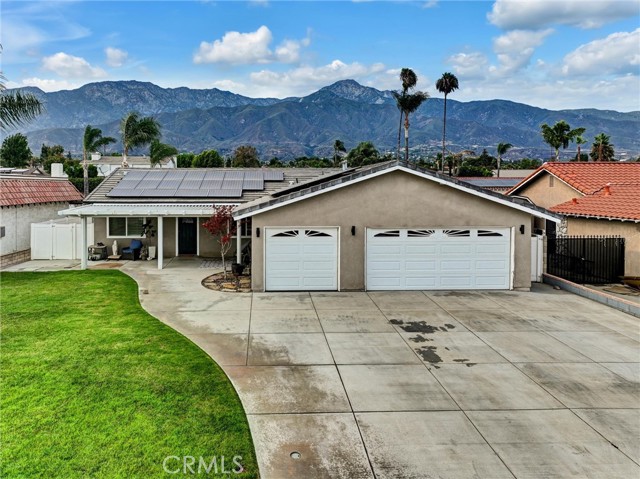
 SoldMLS# TR26154442
10228 Anacapa Court
10228 Anacapa Court
Listing Agent: Michael Cowan, Listing Office: Journey Real Estate
 SoldMLS# IV26179134
9220 Highland
9220 Highland
Listing Agent: WILLIAM JOHNSTON, Listing Office: Elevate Real Estate Agency
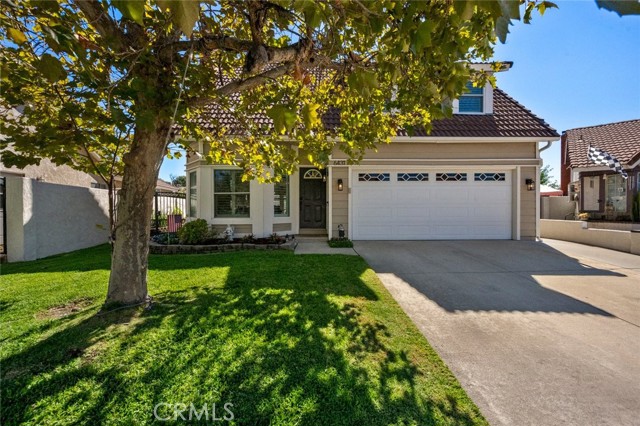 SoldMLS# CV26189383
6431 Teton Peak Court
6431 Teton Peak Court
Listing Agent: Sabrina Cole, Listing Office: KELLER WILLIAMS REALTY COLLEGE PARK
See all recent Rancho Cucamonga sales
Source: CRMLS, as of . Deemed reliable, not guaranteed.
Sold data from CRMLS. Sidney Manzo may not have represented either party.

Distribution and fees in Rancho Cucamonga
When Do Heirs Get Paid After a Rancho Cucamonga Probate House Sells?
Usually not at closing. Sale proceeds from a Rancho Cucamonga probate house go to the estate, and heirs receive distributions after creditor claims, taxes and fees are handled and the court approves distribution. Under Probate Code section 9100, the creditor-claim period runs at least four months from letters, so the probate attorney sets the timeline.
Probate attorney fees for ordinary services are set by Probate Code section 10810: 4% of the first $100,000 of the estate, 3% of the next $100,000, 2% of the next $800,000, 1% of the next $9 million, and 0.5% of the next $15 million. The personal representative's statutory compensation uses the same schedule, and extraordinary work can add court-approved fees. Illustration only: on a $1,000,000 estate, the ordinary attorney fee would be $23,000. See also section 9100. The probate attorney confirms the figures for this Rancho Cucamonga estate.
Transfer taxes on a Rancho Cucamonga probate
Do Transfer Taxes Apply When a Rancho Cucamonga Probate House Sells?
Rancho Cucamonga is in San Bernardino County, which collects a documentary transfer tax of $1.10 per $1,000; the city share is credited within that rate. Measure ULA does not apply in Rancho Cucamonga. An escrow officer or a real estate attorney confirms who pays it under the purchase contract.
Transfer-tax figures that often come up on a Rancho Cucamonga sale.
$1.10 / $1,000
San Bernardino County documentary transfer tax
Rancho Cucamonga is in San Bernardino County, not Los Angeles County. San Bernardino County collects a documentary transfer tax of $0.55 per $500, which is $1.10 per $1,000 of value exclusive of remaining liens. Rancho Cucamonga Municipal Code Chapter 3.16 (§ 3.16.020) sets a city tax of 27.5 cents per $500, or $0.55 per $1,000. California Revenue and Taxation Code section 11911(c) allows a credit against the county tax for a conforming city tax, so the combined rate remains $1.10 per $1,000; the city share is credited within that rate, not added on top. Measure ULA is a City of Los Angeles tax and does not apply in Rancho Cucamonga. Ask your escrow officer or a real estate attorney who pays the tax under your contract. Sidney does not pay transfer taxes and does not give tax advice. A California probate attorney or tax adviser should confirm how any estate-tax questions apply to this Rancho Cucamonga sale.

Local rules for a Rancho Cucamonga probate
What Local Rancho Cucamonga Rules Can Affect a Probate Sale?
Rancho Cucamonga is its own incorporated city in San Bernardino County, so building permits, planning and historic-preservation questions for a Rancho Cucamonga parcel go to the City of Rancho Cucamonga. Check parcel-specific rules with the City before the probate listing goes live. Sidney does not determine historic status and does not pull permits.
Rancho Cucamonga is in San Bernardino County, not Los Angeles County. The City incorporated on November 30, 1977 from the communities of Alta Loma, Cucamonga, and Etiwanda. Planning and building questions belong with the City of Rancho Cucamonga, including its PlanRC planning work. This guide does not treat a citywide point-of-sale inspection as a confirmed City of Rancho Cucamonga requirement from the official sources reviewed on November 16, 2026. Ask the City or a California attorney what applies. Sidney does not pull or pay for permits and does not give legal advice.
Permit and building records: City of Rancho Cucamonga website. To talk through how those Rancho Cucamonga rules affect a listing, you can book a seller consultation.

Finding a Rancho Cucamonga probate realtor or real estate agent
How Do You Find a Rancho Cucamonga Probate Realtor or Real Estate Agent to Sell an Inherited House?
Families selling an inherited house in Rancho Cucamonga look for Rancho Cucamonga probate real estate agents, realtors who handle probate property sales, or listing agents for inherited houses. Interview Sidney Manzo, CA DRE #01108914, about pricing and working with an executor or administrator. He is not an attorney. A first talk is a consultation, not a listing appointment.
When choosing a Rancho Cucamonga probate real estate agent, probate realtor, probate listing agent or inherited property realtor, ask how they would work with an executor or estate administrator, how they would price a Rancho Cucamonga house, how they would help a family sell a home in Rancho Cucamonga after a death, and whether they have worked with estate property listings. A specialized background can help with coordination, but California does not issue a separate probate-agent license. The amount or rate of real estate commissions is not fixed by law. They are set by each broker individually and may be negotiable between the seller and broker.
Book a seller consultation. Confirm any license on the DRE public lookup. The agent does not file probate or give legal advice.
A Rancho Cucamonga realtor for probate sales
Who Is A Rancho Cucamonga Realtor Specializing in Probate Sales?
People looking for a Rancho Cucamonga realtor specializing in probate sales usually want a listing agent for an inherited house. Sidney Manzo, CA DRE #01108914, represents Rancho Cucamonga sellers, including personal representatives and heirs. He can discuss pricing, preparation and marketing. He is not a probate attorney and does not decide authority to sell.
Someone searching for a realtor for inherited property, a real estate agent for an inherited house, or a realtor to sell a parent's house in Rancho Cucamonga is usually trying to hire help for the property side of an estate. Sidney works with. Book a seller consultation to talk about pricing and preparing a Rancho Cucamonga inherited or probate house. It is not a listing appointment, and it is not legal advice.
Specialized vs any Rancho Cucamonga listing agent
Do You Need a Specialized Realtor to Sell a Probate Property in Rancho Cucamonga?
California does not require a separate probate license to list a probate house in Rancho Cucamonga. A sale may still involve court confirmation, IAEA authority, title issues and extra coordination. A probate attorney determines the legal requirements. A listing agent handles marketing and the sale.
California's Department of Real Estate licenses real estate professionals; it does not issue a separate probate-agent license. A regular, California-licensed real estate agent, listing agent or broker can list a Rancho Cucamonga probate house once the personal representative has authority to convey. A specialized background can help with coordination, but it is not a separate state credential. Ask a California probate attorney about authority, then book a seller consultation to discuss how Sidney Manzo, CA DRE #01108914, would approach the Rancho Cucamonga property.
The same is true for an executor, an estate administrator, or an out-of-state personal representative: the attorney directs court and estate steps, and the listing agent handles marketing and the sale. Confirm any license on the DRE public lookup.
Probate realtor near me in Rancho Cucamonga
How Do You Find a Probate Realtor Near Me in Rancho Cucamonga?
To find a probate realtor near me in Rancho Cucamonga, check the DRE license lookup, interview listing agents about estate-property work and ask your probate attorney for a referral. Sidney Manzo, CA DRE #01108914, works with Rancho Cucamonga sellers and lives in Pasadena. A first talk covers pricing and timing. It is not legal advice.
The same starting steps apply if you are looking for a probate real estate agent near me, an inherited property realtor near me, a probate listing agent near me, or a real estate agent specializing in probate sales near me in Rancho Cucamonga. Book a seller consultation, or start with the Rancho Cucamonga real estate agent note and the DRE public license lookup.
Contact · Rancho Cucamonga probate
How Do You Contact Someone About a Rancho Cucamonga Probate Sale?
Use the form on this page or book a seller consultation to talk with Sidney Manzo, CA DRE #01108914, about pricing and preparing a Rancho Cucamonga probate house. A first conversation covers comparable Rancho Cucamonga sales, condition and timing. It is not legal advice, and your probate attorney stays in charge of court steps and estate authority.
Book a seller consultation, call (626) 296-2900, or review Rancho Cucamonga home values first.
About Sidney · Rancho Cucamonga probate
About Sidney Manzo and Rancho Cucamonga Probate Listings
Sidney Manzo, CA DRE #01108914, represents sellers, including people selling a home in Rancho Cucamonga. His professional background includes more than 155 closed sales on his agent profile, and the RE/MAX Hall of Fame Award. He lives in Pasadena and is a member of the Pasadena Foothills Association of REALTORS®. He is not an attorney or tax adviser. A first conversation is a consultation, not a listing appointment.
Source: California Regional Multiple Listing Service (CRMLS). Last updated Nov 17, 2026, 3:46 AM PT.
Based on information from California Regional Multiple Listing Service, Inc. as of Nov 17, 2026, 3:46 AM PT and /or other sources. All data, including all measurements and calculations of area, is obtained from various sources and has not been, and will not be, verified by broker or MLS. All information should be independently reviewed and verified for accuracy. Properties may or may not be listed by the office/agent presenting the information.
IDX information is provided exclusively for consumers' personal, non-commercial use and may not be used for any purpose other than to identify prospective properties consumers may be interested in purchasing.
Sold data from CRMLS. Sidney Manzo may not have represented either party.
Information deemed reliable but not guaranteed.
Sources and Professional References
Probate procedure: California Probate Code section 10400 (the Independent Administration of Estates Act), sections 7051, 9100, 9881, 10160, 10309, 10311, 10403, 10586 and 10810, Judicial Council form DE-260 and form DE-165, and the California Courts' adjusted small-estate amounts. Court: the San Bernardino County Superior Court Probate Department and Fontana District pages. Property tax: the State Board of Equalization Proposition 19 page and the San Bernardino County Assessor-Recorder-County Clerk. Federal tax: IRS Publication 551. Reverse mortgages: the CFPB. License lookup: the DRE public license lookup. City sources: the City of Rancho Cucamonga website, the City's planning page, and the Rancho Cucamonga Municipal Code. Transfer tax: the San Bernardino County Assessor-Recorder-County Clerk and California Revenue and Taxation Code section 11911. Sources reviewed November 16, 2026.